
I have been companioning incarcerated women in nonviolence training during our soul care mentoring sessions. Together we have learned, even before the skills practice, it is essential to create space within us for a new mindset. When we are afraid, when we see others as threatening, and when we are on the defensive, we engage in reactive behavior. We approach our circumstances as a fight. We see life with a winners and losers mentality.
Nonviolence emerges from an entirely different way of thinking and seeing. It asks what we can create together that is good for everyone. Instead of only opposing what is wrong, it asks what we can build that is right and how we can uplift each other.
Nonviolence is more than a set of skills. It is a way of life. It begins within. The ground of nonviolence is inner transformation and compassion for others. Shifting from an orientation focused on fight to an orientation of interdependence and win-win solutions is transformative, not only for the individual, but for the social environment.
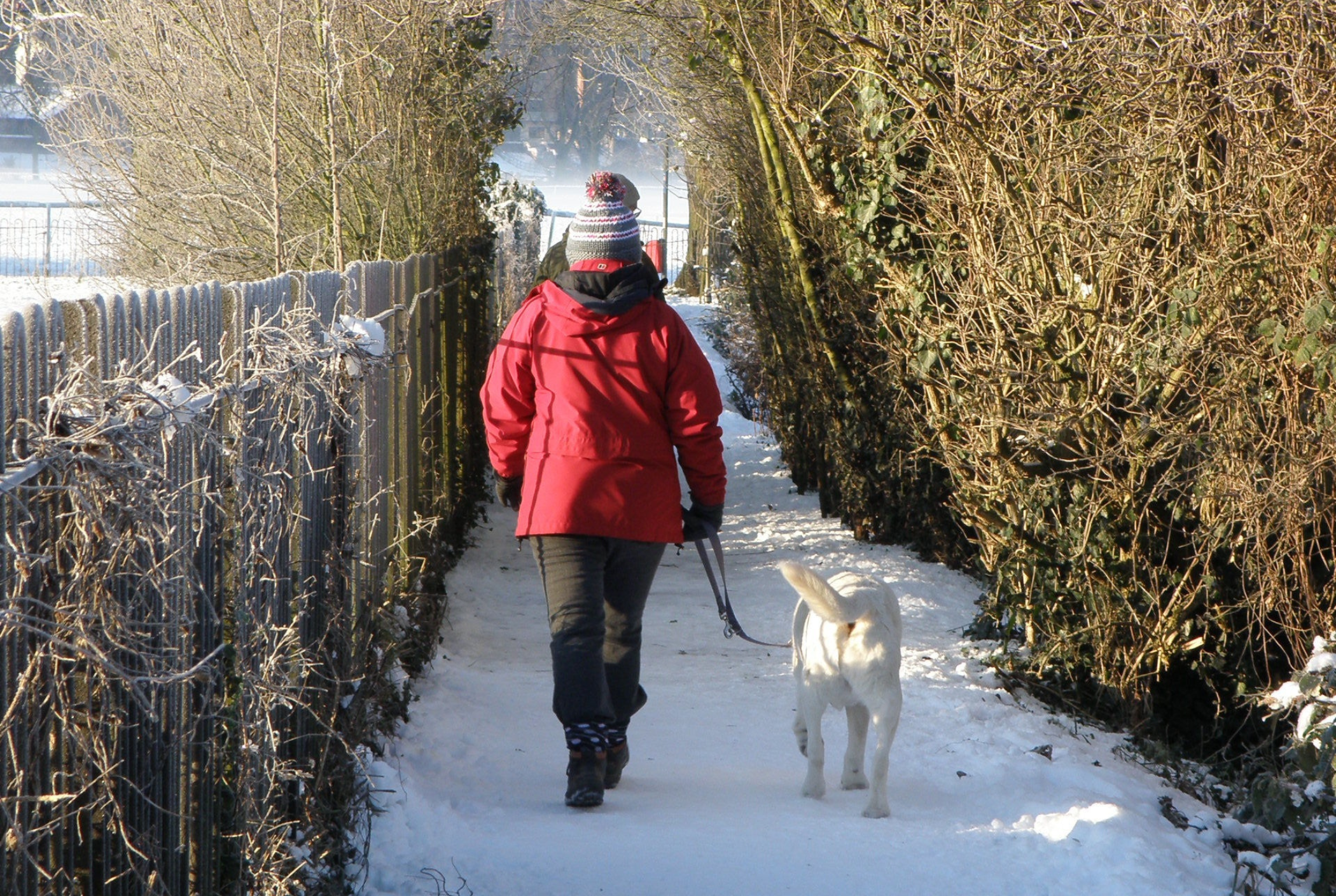
So, if we wonder how we can make a difference in our world, we must begin by creating a space for nonviolence within us. Inner healing from violence is facilitated through meditation and mindfulness. For some this may mean centering prayer or regular breath meditation. Others find spaciousness through yoga or Tai Chi. Sitting and listening to music, letting oneself be enveloped by its rhythm is also healing. Journaling and sketching are a meditative doorway for others. Walking in nature, not just for exercise, but fully noticing and looking with appreciation, is also meditative. My daily walk with my dog moves me beyond task orientation to the creative potential in each moment.
I am humbled by the courage of the incarcerated women I companion. Creating a space within themselves for cooperation and trust, they reach out to others in the facility encouraging them to think in terms of community. They make themselves available as listeners. They get approval and plan activities and invite others to participate. They develop programs that teach new skills. Their mindset is, “Can we make this a space where everyone feels safe and is able to grow?”
Protest, vigil, legislative advocacy, and caring services for others are all part of a nonviolent response to injustice, but they need to be grounded in the inner work of transformation. This connection moves us beyond fear, keeps us hopeful, and is the best preventative to burnout.