
I’ve been reading a book titled “Mona’s Eyes.” It’s the story of a 10-year-old Parisian girl who experiences bouts of total blindness. Her parents take her to a physician who is unable to find any physical cause, and he recommends therapy. Due to Mona’s special relationship with her grandfather, her parents request that he take her to therapy each week.
The grandfather has a different idea, but he keeps it hidden from the parents. He too is concerned that Mona may permanently lose her sight, and he does not want this to happen without her experiencing great beauty. So each week, instead of therapy, he takes her to one of the art museums in Paris to spend time viewing one artwork. She learns to approach each painting or sculpture slowly and contemplatively. As she shares her reflections, her grandfather tells her something of the artist and of the historical period in which the artist created. In the life of each artist and in each historical period, there is some trauma. Their artwork responds to the suffering, and the tension brings forth beauty.
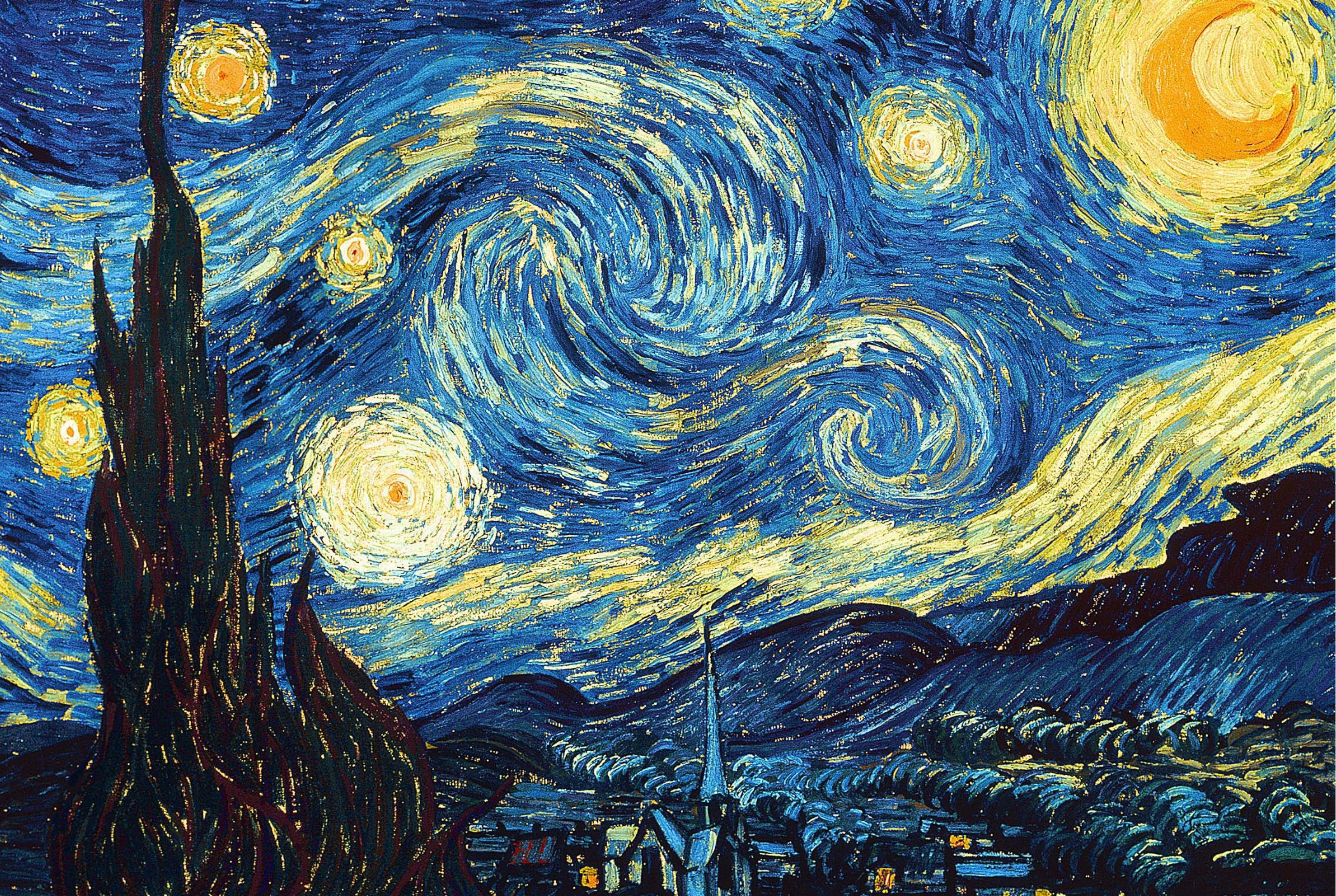
This is not a book to attempt in a weekend. It needs to be taken slowly, contemplatively, a chapter at a time. I was struck by so many themes. The grandfather and Mona have a special relationship. It is clear her now deceased grandmother was also significant. Beauty is important, time spent reflecting and pondering, deepening awareness, and contemplative gazing. I read one chapter at a time and spent time reflecting on each artwork—as a creative work in itself—but also in light of the artist’s personal story. I now have a desire to visit Denver’s Art Museum regularly, but with a different mindset.
There is also a hidden and unbeautiful dimension to the story. First, there is the grandfather’s deception of her parents and the way he makes Mona complicit. There is the dysfunction in her home. Her father is an alcoholic, and the family struggles financially. Her mother is anxious and controlling. Mona struggles with cruelty at school. There is the still fresh loss of her grandmother. In the end, the source of Mona’s blindness is uncovered—a traumatic family secret that was kept from her.
The reading encouraged me to ponder Restoring Connections' commitment to ensuring soul care for all the hidden people—those who are unsheltered, unwelcome, devalued. People normally pass them by without a glance. If they are seen, it is with pity or as objects to be fixed, corrected, or hidden away. At the same time that marginalized people lack access to so many things, they are typically also marginalized from soul care and healing presence. These are people who are exposed to trauma daily, and they carry our societal trauma. Their personhood is missed. Their beauty is missed. The gifts they have to share are missed.
This is what gave birth to the Formation Program for Soul Care so many years ago. Since its inception, we have trained hundreds of spiritual directors on six continents. The pandemic didn’t even stop us; we just moved online. Today, many of our graduates have passed on, but more are providing soul care for unsheltered people, for incarcerated individuals, for migrants and refugees, for trafficking victims, for youth at risk, for those who struggle with mental illness, and for the elderly homebound.
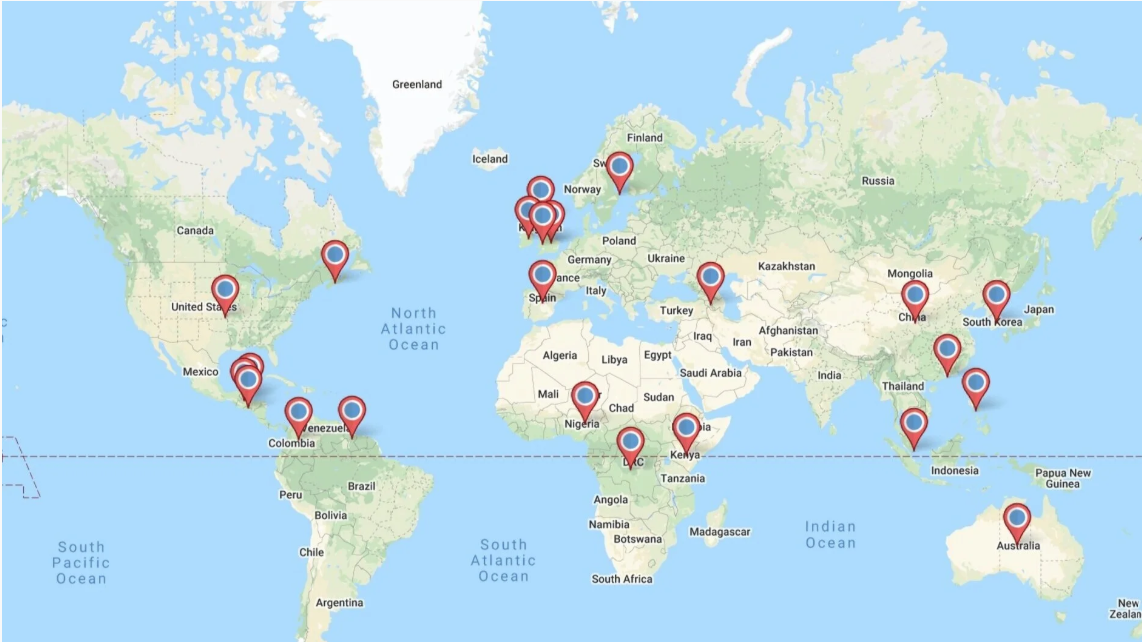
We have learned so much from years of this work. How can this continue? In late September, we will be able to provide an online link with free access to the entire program as well as continuing education opportunities. Program graduates will be able to review portions of the program if they wish or take advantage of continuing education. Individuals internationally will be able to freely access the program designed for small groups to be able to study and grow together. It is so important to me that no one need be marginalized from soul-caring presence. My hope is that people will adapt it to their own circumstances and bring new insights from their own experience.
Going forward, I will be publishing a monthly reflection. We have been exploring ways to ensure this is available at no cost and without being just one more thing that clutters your email. You can find my reflections at viethorgren.substack.com. As always, you can unsubscribe at any time. I will continue to focus on caring for your soul in practical and concrete ways.
Finally, as we are getting ready to say goodbye to Restoring Connections, to release it and celebrate its blessings, I want to say thank you again for all you have given! Remember to care for the relationships in your life; it’s together that we find our way and make a difference.