
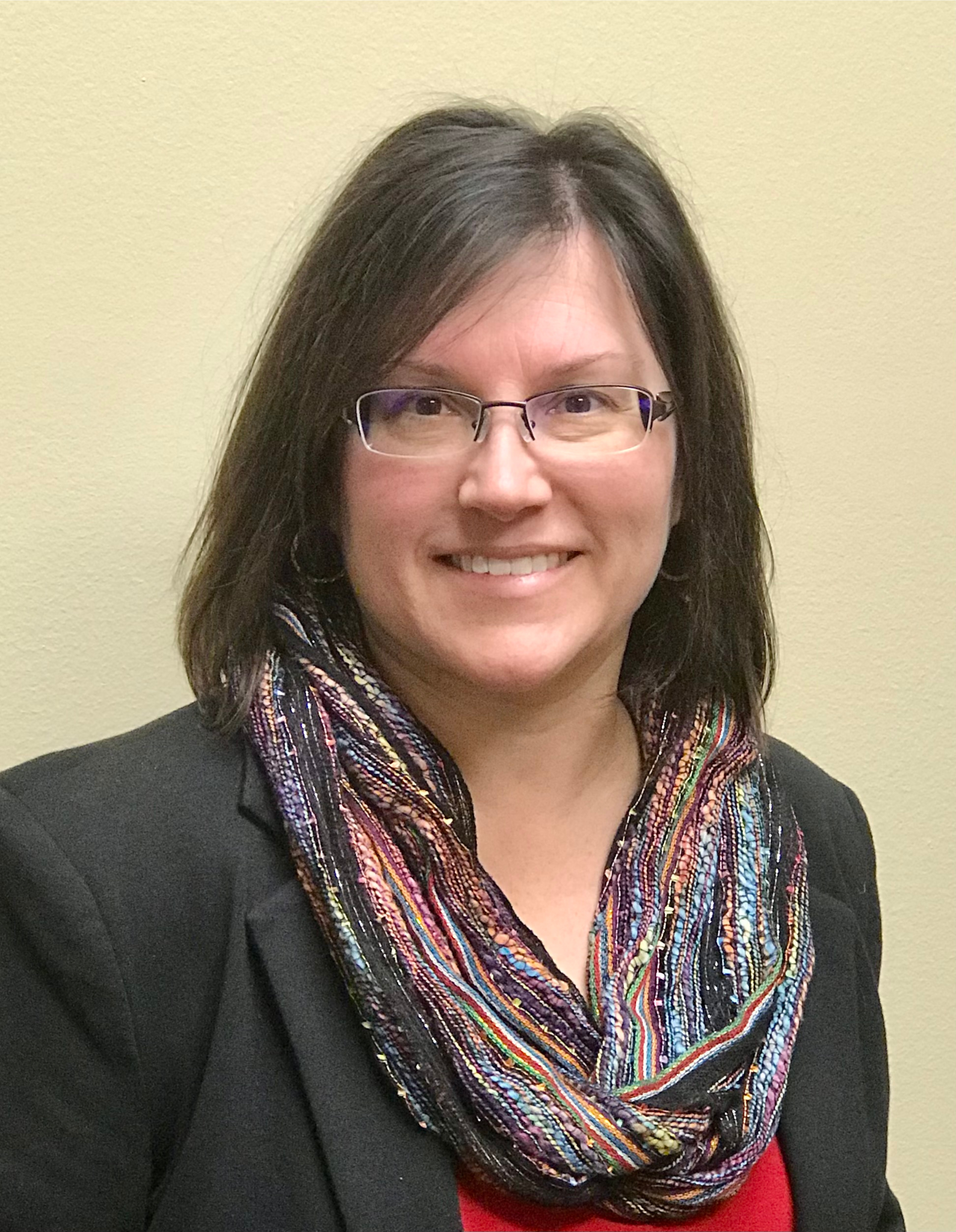
When Amanda heard about a volunteer opportunity to mentor women in prison, she was intrigued. “My family had always put an emphasis on being of service, so it was easy to say yes. I expected it to be interesting. I didn’t expect to be transformed.”
What started as curiosity quickly became something more. “When people asked what I did, I’d tell them about mentoring, not about my day job. The mentoring became my calling.”
She didn’t really know much about incarceration when she started and quickly learned that the prevailing stereotype of “good” versus “bad” people was false. “I think as a society we tend to think that we are better than people in prison. Am I better than someone in prison? No. I’m certainly luckier, though. Luckier to have had less trauma and abuse, more caring adults in my life when I was young, and better opportunities for education and growth.”
Amanda credits mentoring with not only learning about the criminal justice system, but about life’s deeper concepts. “Any growth I’ve achieved in cultivating compassion, mercy, forgiveness, redemption— these are a direct result of being in relationship with people in prison. They have been some of my greatest teachers.”
Even though many of the stories she hears are painful, mentoring fills her with joy. “It’s a great privilege to bear witness to another’s story, to walk with them as they find the healing in it. That they trust me when they have been let down and hurt in the past is truly an honor. I’ve received so much more than I’ve given.”