
During a recent spiritual directors’ supervision session, we discussed that many of the people we accompany are on edge and struggling with anxiety. It seems to be the spiritual warning sign of our time. Symptoms often include sleep disturbances, fatigue, difficulty concentrating, impatience, a sense of being overwhelmed, and perhaps a tendency to withdraw.
Gratefulness practice and service of others are two well-tested antidotes to ordinary anxiety. They are also frequently included as part of a treatment plan for individuals with an anxiety disorder. Both are recognized for their psychological benefits. Both have a long history in every spiritual tradition. This week, I would like to focus on gratefulness and its transformative benefits.
Gratitude is more than an emotion. It is a lifestyle—a way of perceiving reality. It is not about pretending things are better than they are. It is not about ignoring problems or injustice. Anxiety, fear, and anger shrink our field of vision: our attention is totally focused on the threat. Gratitude actually widens the lens of what we see. It involves shifting from what we lack to what we have, from what is wrong or threatening to the capacity to respond in positive ways. Gratitude is not a feel-good exercise. It fosters physical, psychological, and spiritual health, as well as our capacity to respond to challenging circumstances.
There is science behind the positive effects of gratitude on mental health. Research shows that grateful practice supports resiliency in times of turmoil, and it strengthens social and relational connections. Every spiritual tradition recognizes the connection between gratefulness and fullness of life. Gratitude is a contemplative practice that notices doorways where anxiety sees roadblocks. It recognizes opportunities where worry and fear speak only of threat. It thinks in terms of abundance rather than scarcity and encourages connections in community instead of self-protective withdrawal.
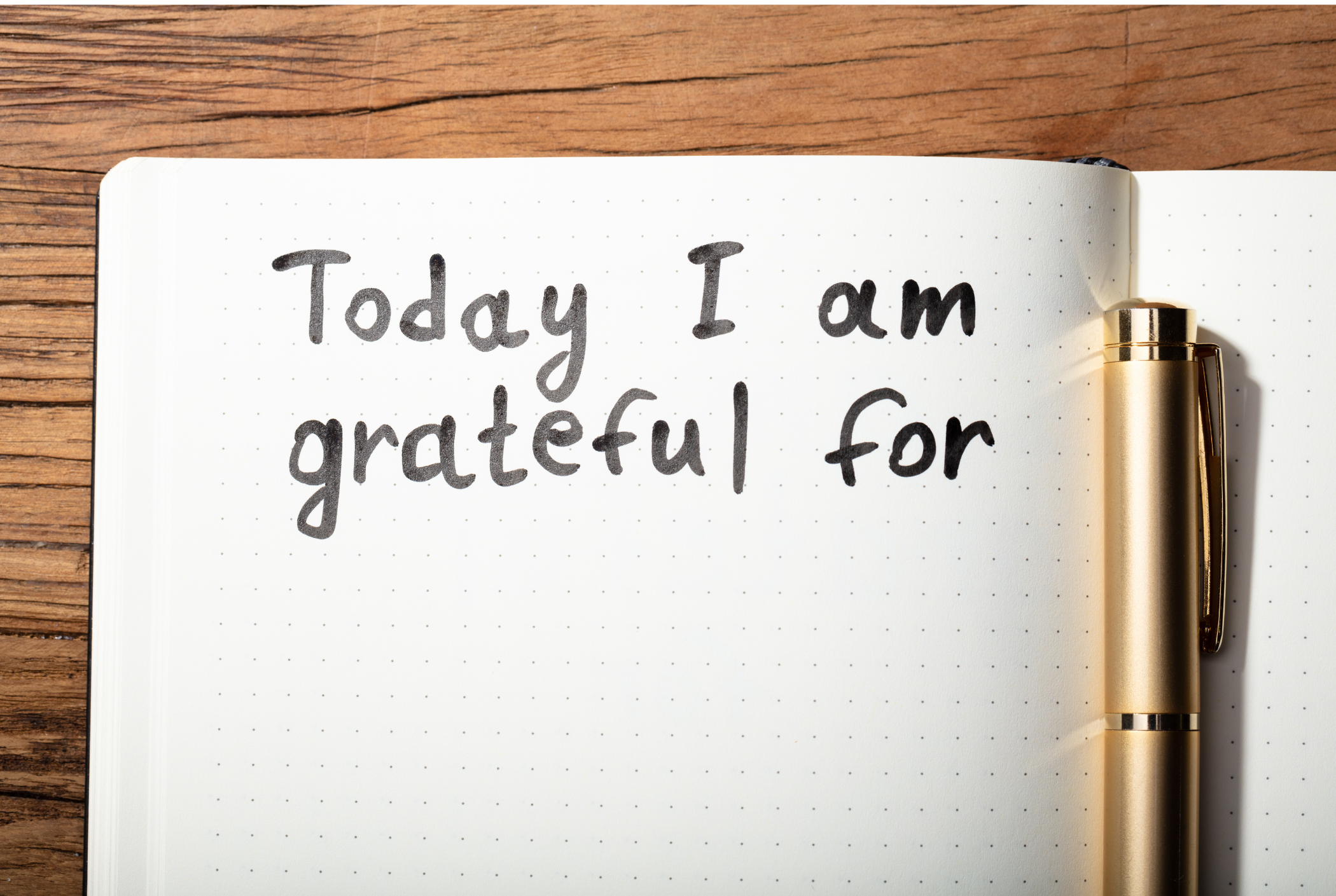
One of the many gifts of practicing this lifestyle of gratitude is that it is not complicated, it is not time-consuming, and it isn’t expensive. Some helpful ways of supporting this life shift could include a gratitude journal and the importance of reflecting each day on the blessings, gifts, opportunities, and supports in one’s life. Other ways include gratitude meditation, just to breathe and reflect with appreciation. When was the last time you wrote a gratitude letter to someone who has positively impacted your life or your community? What about taking a walk and noticing everything you appreciate? It also requires little time to notice the efforts of people as you go through your day and to express a word of thanks.
This can be challenging at first. Could it really make such a difference? It seems so simple, but it is deep spiritual work. It gives us the individual and social resilience to respond to the challenges that face us.
There is a woman I accompany in soul care in the prison who daily transforms her environment with gratitude. Prison is a place of deprivation. It’s noisy. There is no privacy. The environment is made for intimidation. Who can you trust, really? In this distressing place, she is a light. When you ask how she is doing, she always says, “I’m blessed.” People ask her, “How can you be blessed? You’re in prison.” “Oh, but I am,” she responds. She is able to list the ways and then include you as one of her blessings.