
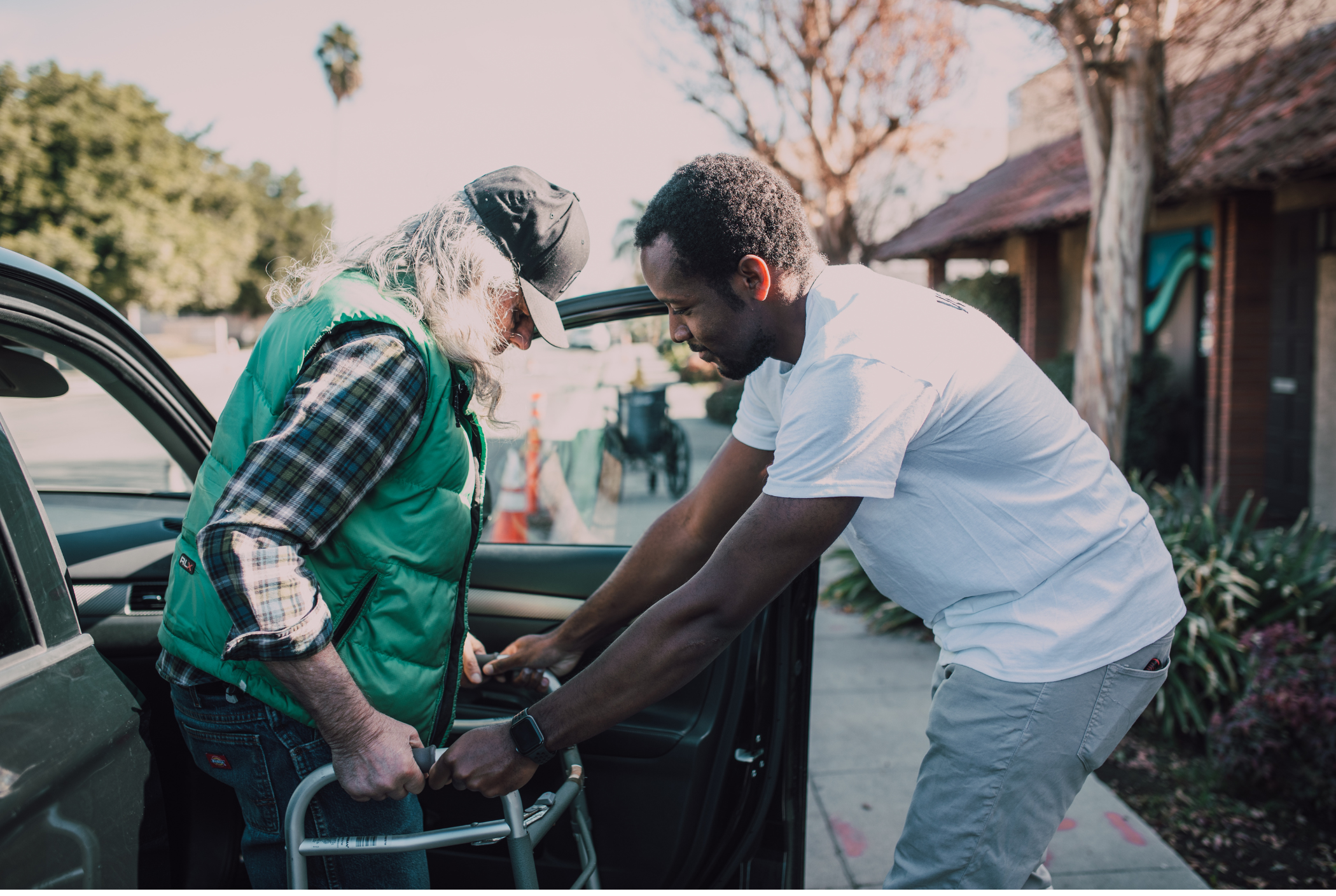
Last week I wrote about the pervasive social issue of anxiety. Two lifestyle practices, gratefulness and service, have proven effectiveness for both individual and community healing. Both also have prophylactic benefits. Neither is a substitute for mental health treatment when necessary, but it is noteworthy that both are often included in treatment plans.
This week, I would like to focus on the importance of serving others as a pathway for wellness. In 2023, the U.S. Surgeon General declared loneliness an epidemic in America. Making Caring Common, a project of Harvard’s Graduate School of Education, has been investigating the causes and has published its findings, Loneliness in America: Just the Tip of the Iceberg.
Loneliness is more complicated than we may initially think. It is not the same as social isolation. It is a distressed state of mind interwoven with anxiety, lack of meaning, personal insignificance, and depression. The researchers recommend a cultural shift to emphasize service of others, which can “cultivate meaning, and purpose, and mitigate mental health challenges.”
There are some generational differences. For young teens, going out of their comfort zone to volunteer in programs that assist people they do not know boosts self-esteem and fosters emotional resilience. For young adults (people in their 20s), service within the family, assisting grandparents, caring for younger siblings, and giving a hand at home fosters the transition from one who is cared for to one who is capable. For all adults, thriving happens when we invest in each other, and we serve the social fabric when we give ourselves, as little as one hour a week, to intentionally caring for someone different from ourselves.
What we now know is that a life of service isn’t just for some people who might have extra time on their hands. While it certainly is a more moral way of living, on the most basic level, it is personally transformative, fostering physical health and personal happiness, meaning and connection. Beyond individual benefits that reduce anxiety, intentional service of others can heal a culture that overemphasizes individualism and seems to be increasingly caught up in divisiveness, resentment, and blaming.
There is a special role for those who are more senior in years. Younger people need elders who are committed to serving others. Even when challenged by mobility and illness, elders who pick up the phone to check in on others or who write a caring note are important role models. Young people also need elders who will invite them to come along. And they need elders who are humble enough to let young people give them a hand.
I recently saw a quote, but do not know the source, “If everyone is serving each other, then all of our needs are met.” Something to think about.
*For further reading: Journal of Adolescence, January 2020