
“Tell me what and how you eat, and I will tell you the state of your soul.” Sit with that for a moment. The statement I have given you is actually a modern updating of a quote by Jean Anthelme Brillat-Savarin, “Tell me what you eat and I will tell you who you are.” Brillat-Savarin was a late 18th-century French lawyer and politician, who reflected on the science of cooking and its impact on culture.
In a recent class I was teaching, I asked the participants to reflect on common eating patterns in the U.S. We know that the traditional family meal has practically disappeared, at least for much of the week. We eat in restaurants with everyone on their cell phone. We eat in front of the television. We eat alone while we are on the computer. We grab a bite in our cars while we are on the run. We consume a lot of processed food and junk food.
When I asked participants what our eating patterns might tell us about ourselves, they responded, “We’ve lost a sense of connection.” “We’re eating but not really being nourished.” “We don’t take time for relationships and to care for ourselves and for each other.” “We’re actually starving.”
Restoring Connections has always been about relationships. We know the power of relationships for effecting change. Drawing on our Vincentian ethos, our efforts are informed by the awareness that people change, grow, heal, resolve conflicts, and discover new innovative solutions in and through relationships.
We know firsthand that people heal because of relationships instead of programs. Our work with women during incarceration and re-entry is about fidelity to relationships. We know the importance of showing up consistently. We recognize each individual’s gifts and capabilities and help them to do the same. We help them identify their values and set goals. We walk with them, applauding when they succeed and remaining present to them when they fall short. When they re-enter the community, they face almost insurmountable challenges along with public prejudice. We have little to offer except a mentoring relationship and connecting them with resources through our networking relationships. Against the odds, we see them succeed and become influential leaders for others.
We prove that so much more is possible when we work together in networks. Our staff and budget have always been small, and yet we touch hundreds of lives each year. We know the special gifts that we bring to the table, and our effectiveness is supported by other organizations that have complementary resources. In our culture, too often we think it all depends on money, when in fact it really depends on the quality of our relationships.
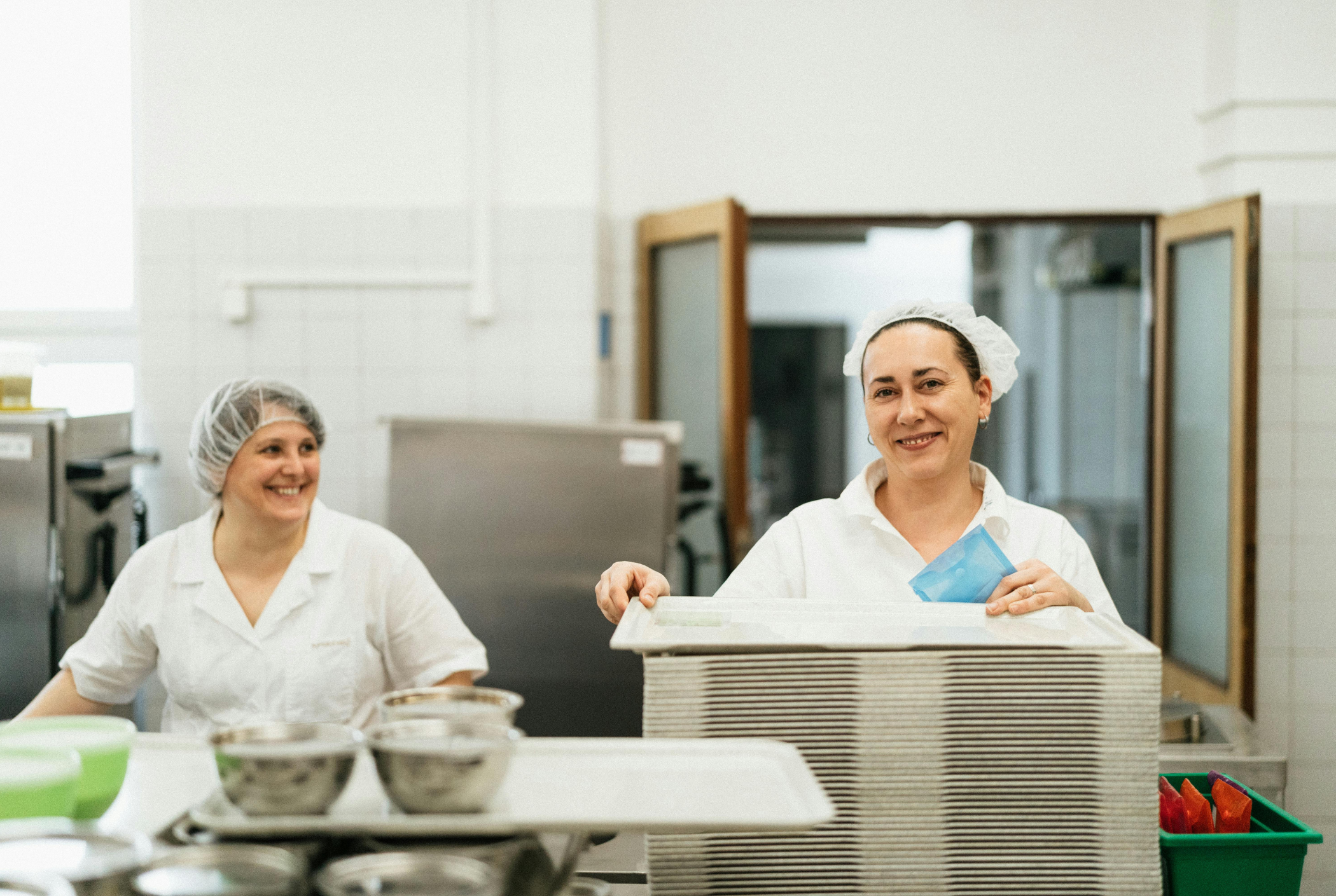
We see that relationship has a way of reproducing itself. We watch as the women we serve begin to develop positive networks in the prison and in the community. They look for ways to share their gifts and to make a positive contribution to the environment. I know I have shared over the years some of the programs initiated by the women we serve in the prison—the gardening program, toiletries program, winter hats for the backpack program, and others. Just this last week, I learned something that made me smile. One of the least favorite jobs in the prison is the kitchen. Lately, they have been very short-handed. A dozen women who have other full-time jobs, decided to volunteer their time to help in the kitchen. In addition to assisting with meals, they looked around and decided to do a major cleaning, and they invited other women in the facility to assist. Their message is, “This is our home for now. What happens here has everything to do with our willingness to think in terms of us and not selfishly; to support each other and keep each other healthy so we can eventually go back to our families.”
Perhaps as we struggle with the challenges in our world today, we need to remember the most basic thing—the power of relationships for effecting change, bringing healing, multiplying our efforts, and nourishing our souls. It might be as simple as meeting a friend for a cup of coffee.